


Flexible, Dynamic and No-Code Interface Design with i-frame Flexi
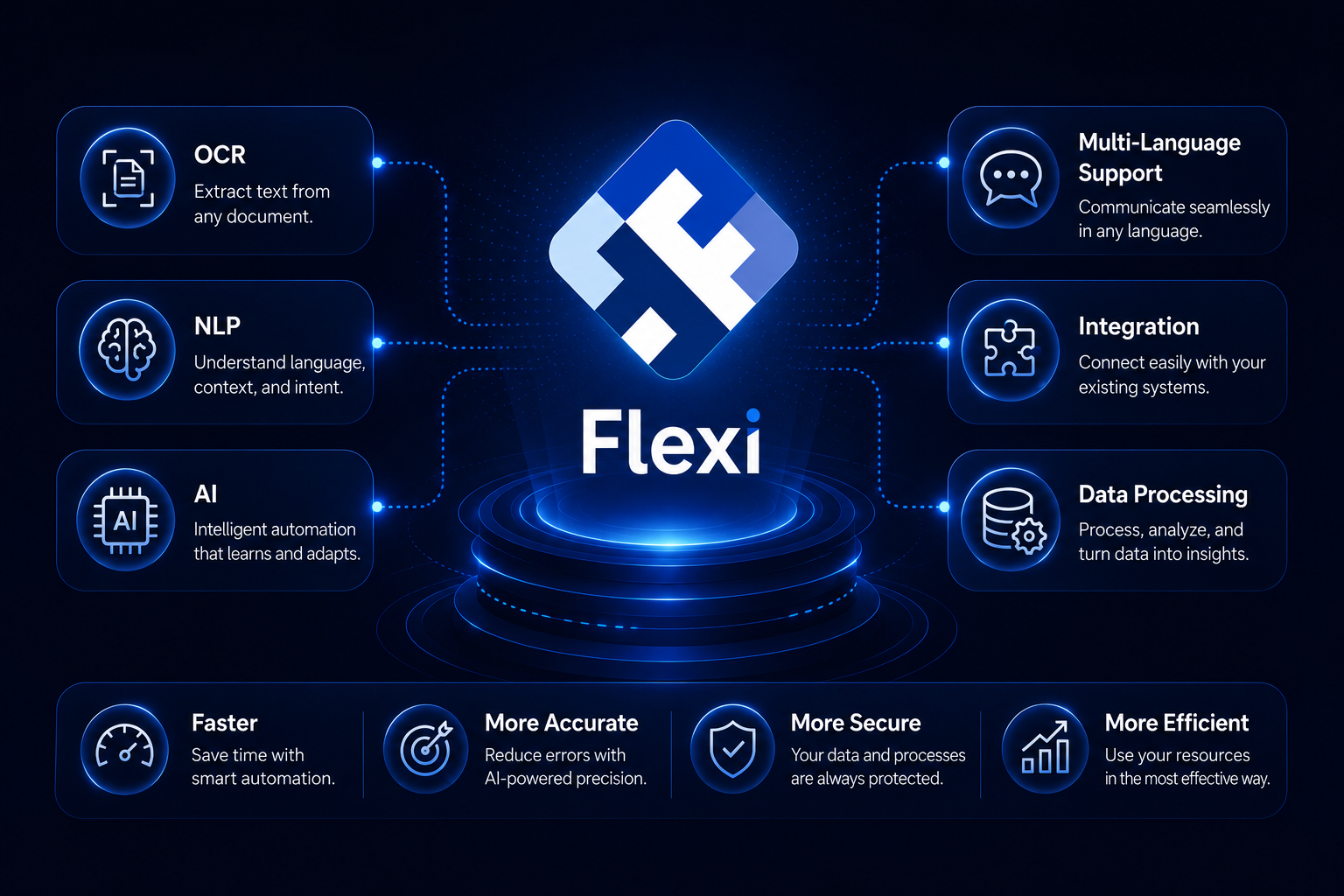
Flexi is the dynamic data management and flexible screen-building infrastructure of the i-frame platform. It is designed to help organizations quickly adapt to changing business needs. From data entry screens to reporting, and from listing structures to custom analysis areas, many components can be designed and managed without requiring traditional software development processes.
With Flexi, users do not simply store data; they interpret, relate and transform it into an active part of business processes. This makes organizational information flow more visible, manageable and sustainable.
The Difference Between Traditional Methods and i-frame
In traditional systems, creating a new screen, modifying a data structure or preparing a custom list often requires software development. Every change depends on technical teams, development cycles and testing processes, resulting in time loss and operational inefficiency.
How i-frame Transforms This Process
i-frame Flexi enables dynamic management of data structures and screens. Users can create and modify forms, tables, relational data screens and data views directly within the platform.
A screen is no longer just a data entry area; it becomes a center for process management, relationship management, filtering, reporting and analytics.
- Forms and tables can be created dynamically within the platform.
- Field structures can be managed without coding.
- Data relationships can be visually defined.
- Dashboards, reports and filtering structures can be generated instantly.
- Process-driven data screens can be designed easily.
- Fully responsive and mobile compatible infrastructure.
Empowering businesses with Flexi solutions
Ease of Use and Integration Capability
| Feature | Traditional Methods | i-frame Flexi |
|---|---|---|
| Creating New Screens | Requires software development | Dynamic and no-code structure |
| Data Modeling | Fixed data structures are used | Object-based flexible architecture |
| Form Management | Requires technical development | Can be easily designed within the platform |
| Listing and Filtering | Limited and static structure | User-based customizable structure |
| Data Relationships | Requires complex development processes | Visual and manageable relationship structure |
| Mobile Compatibility | Requires additional development | Responsive and device independent |
| Update Process | Requires deployment and versioning | Instantly updatable structure |
Key Features
Dynamic Object-Based Architecture
Every data structure can be defined as an independent object within the system. Objects can be related to each other and integrated into business processes.
Form and Table Design
Users can create their own data entry screens, tables and detailed views directly within the platform.
Relational Data Management
Complex data scenarios can be managed easily through parent-child and many-to-many relationship structures.
Dashboard and Reporting Integration
Flexi works seamlessly with the dashboard module. Charts, KPI screens and filterable analysis structures can be created quickly.
Authorization and Security
Authorization can be managed at field, record and object level. User actions can be logged and processes become traceable.
Where is i-frame used?
- CRM and customer management processes
- Human resources and personnel management
- Contract and document management
- Maintenance, production and operational tracking systems
- Sales, quotation and procurement processes
- Quality management and audit applications
- Emission, energy and sustainability tracking systems
- Custom enterprise applications and workflow management solutions
Who is using it?
- Operations teams: Organizations aiming to digitize their processes
- Business analysts: Teams seeking fast and flexible data management
- Software teams: Organizations wanting to reduce development workload
- Managers: Decision makers who want measurable and visible processes
- Corporate users: Anyone who wants to manage their own screens and data structures

Advantages of i-frame
- Flexible application development without coding
- Ability to create organization-specific data models
- Rapidly adaptable process management
- Centralized and sustainable data structure
- Strong relationship and authorization infrastructure
- Integrated operation with dashboards and analytics systems
- Lower development costs and higher operational speed
- A modern platform approach that adapts quickly to changing business needs